
A Technical Review Has Delayed Ethereum's Glamsterdam Upgrade
Ethereum's Glamsterdam upgrade is indefinitely delayed on Hoodi testnet to review EIP-8037 and EIP-8038 compatibility with existing contracts.
What changed
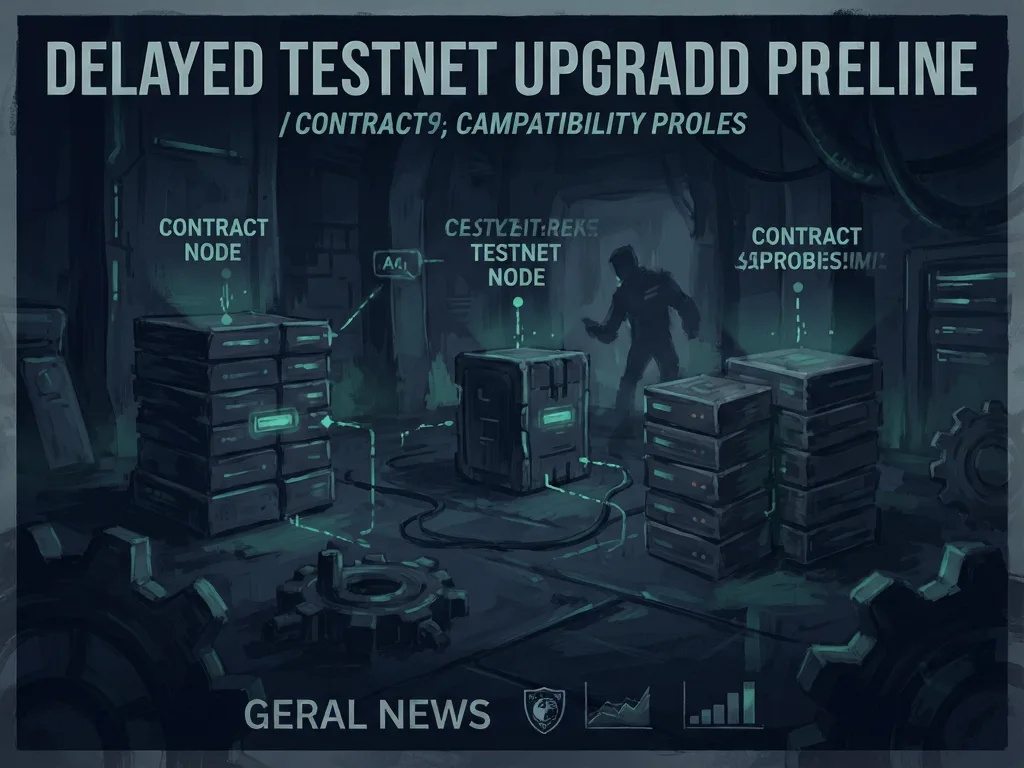
Ethereum developers postponed the Glamsterdam upgrade on the Hoodi testnet. The upgrade was initially scheduled for October 26, 2026, but the timing is now indefinite. The reason given is the need to further analyze the interactions between Ethereum Improvement Proposal EIP-8037 and Ethereum Improvement Proposal EIP-8038 with existing main-net contracts.
Why a testnet delay matters
A testnet is a separate environment used to try changes before they are applied to the live network. When developers postpone an upgrade on the Hoodi testnet, it means the proposed changes are still being examined for side effects. The issue here is not simply whether a single proposal works by itself. The focus is how EIP-8037 and EIP-8038 behave together and how they affect contracts that are already running on the main-net.
What the EIP-8037 proposal changes
EIP-8037 aims to alter Ethereum’s gas-price mechanism. Gas pricing is the part of the network that helps determine how much users pay to have transactions and smart contract actions processed. It also shapes how limited network capacity is allocated when many users compete for the same block space.
Because gas pricing is a core component of Ethereum, changing it can affect many existing contracts. A contract that was designed under the current fee model may behave differently if the fee model changes. The postponement is therefore a compatibility review: developers are trying to confirm that the new mechanism will not disrupt applications, users, or the network’s stability.
Why EIP-8038 is part of the same review
The source identifies the interaction between EIP-8037 and EIP-8038 as a focal point of the delay. This means developers are reviewing the two proposals as a combined change set, not in isolation. In protocol development, one proposal can change assumptions that another proposal relies on. The goal is to ensure stability and compatibility with the current Ethereum ecosystem before the upgrade moves forward.
Why this matters for Ethereum’s reputation
Ethereum is a leading blockchain platform known for smart contracts and decentralized applications. The network is governed by a community of developers and stakeholders, and the Ethereum Foundation oversees major upgrades and improvements. That model places heavy weight on public confidence. Users and builders need to know that upgrades will not break existing services or create unpredictable costs.
The delay highlights the complexity of Ethereum’s ongoing development. Proposed changes must be tested thoroughly enough to maintain trust among users and stakeholders. In that sense, the postponement is not only a technical decision. It is also a signal that the development process is prioritizing careful review over a fixed calendar.
How competition enters the picture
The delay comes while Ethereum faces stiff competition from emerging platforms like Solana, which has been rapidly evolving and gaining market share. The source does not say the Solana competition caused the Glamsterdam postponement. The connection is broader: Ethereum is improving its protocol in a competitive blockchain landscape, so delays and changes are being watched closely by traders and enthusiasts.
For readers, the practical question is how Ethereum balances two needs: making important technical improvements and avoiding disruption to the network. A rushed upgrade could create compatibility problems. A cautious delay can preserve stability, but it may also push back changes that users hope will improve transaction costs and network efficiency.
What to watch next
Traders and enthusiasts should keep an eye on Ethereum’s development updates, especially the timeline for the Glamsterdam upgrade. Since the original October 26, 2026 schedule has been postponed indefinitely, the next useful signals will be further analysis of EIP-8037 and EIP-8038, updated information from the Hoodi testnet, and any new statement on whether the upgrade will resume under a revised date.
The ongoing discussions among developers regarding EIP-8037 and EIP-8038 could lead to new developments that may affect transaction costs and network efficiency in the long run. The information provided in this article is based on current data and may change as new developments occur. The report first appeared on Coinfomania. This article is for informational purposes only and is not investment advice.
testnetEthereumGlamsterdamEIP-8037EIP-8038
Related reading

Comments 0
Never post a seed phrase, private key or screenshot of your wallet in the comments.
- No comments yet.