
Bitfinex underscores the usefulness of Bitcoin in Ethereum loans.
Bitfinex says native Bitcoin can back Ethereum loans while staying on Bitcoin, prompting custody and DeFi questions about cross-chain security.
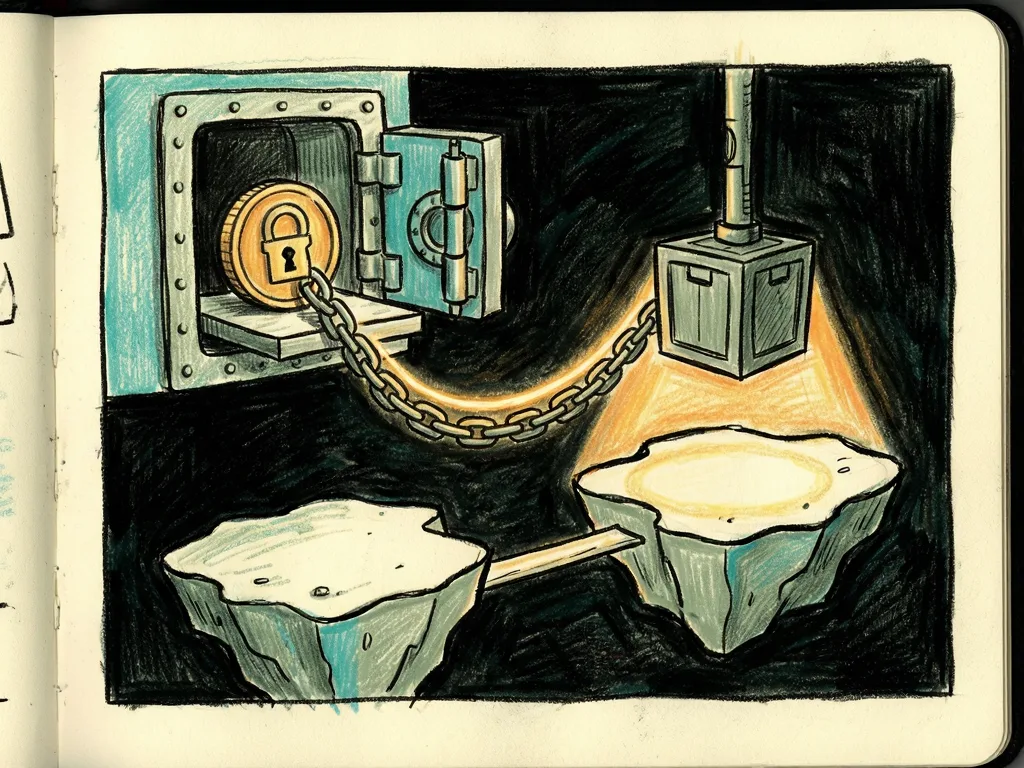
Bitfinex recently used a tweet to highlight a cross-chain idea: native Bitcoin can remain on its original network while serving as collateral for loans on Ethereum. The tweet presents this as a significant cross-chain capability, meaning an asset can support activity on another network without leaving its home network.
The topic is not only about lending. It also touches custody, because Bitfinex compared the development with Abra’s regulated custodian model. For readers, the useful question is simple: if Bitcoin is being used to back an Ethereum loan, where is the asset held, and what does that mean for security, trust and future cross-chain services?
What Is the Core Idea?
The core idea is that Bitcoin and Ethereum can interact in a more direct way. In ordinary lending, collateral is an asset pledged to support a loan. If the loan is created on Ethereum but the collateral is native Bitcoin, the two networks have different address formats, settlement rules and operational environments. Bitfinex framed the case as important because it suggests Bitcoin can stay on Bitcoin while still being useful in an Ethereum loan context.
This is what the source calls a cross-chain capability. In plain terms, cross-chain means moving or using value, data or functionality across more than one blockchain network. The tweet’s point is structural: Bitcoin’s utility may extend beyond its traditional role.
Why Does Custody Enter the Conversation?
Custody means who holds the asset or the keys to the asset. In a loan, custody matters because the collateral is the safety layer for repayment. If Bitcoin remains on its original network but is used to back a loan on Ethereum, users need to understand how control, visibility and settlement are handled.
Bitfinex’s comparison with Abra’s regulated custodian model brings that question into focus. The source says this raises important questions about the evolving nature of custody solutions in the crypto space. It also notes that the mention of regulated custodians underscores the growing importance of security in decentralized finance, or DeFi, as platforms seek to enhance user confidence and expand their offerings.
The timing matters. The source says this development is timely because custodial practices are under increasing scrutiny, and cross-chain solutions are still an area where innovation is possible. For readers, the point is not that custody is a technical detail. It is the detail that determines whether a cross-chain loan feels reliable or experimental.
What Does This Say About the Market?
The broader crypto market is currently experiencing mixed signals, with various assets demonstrating fluctuating momentum. In that context, Bitfinex’s discussion taps into ongoing conversations about cross-chain functionality and the utility of Bitcoin beyond its traditional role.
Bitfinex is described as a prominent cryptocurrency exchange known for its extensive trading services and innovative financial solutions. The source also says the platform operates within a regulatory framework that emphasizes security and transparency, making it a key player in discussions around cryptocurrency custody and cross-chain functionality. Its recent focus on Bitcoin’s utility in DeFi reflects broader trends, as platforms strive to enhance the interoperability of assets across different blockchain networks.
That last sentence is important for readers. The story is not only about one tweet. It is about whether exchanges and financial platforms can make assets work across networks without confusing users about where those assets are held and how they are protected.
What Might Happen Next?
The source says traders analyzing this development will likely monitor how Bitcoin’s utility in Ethereum loans may influence broader market dynamics. The next signposts are practical: whether other exchanges adopt similar cross-chain strategies, and how regulatory frameworks around custody and asset interoperability respond.
The source says these implications may present both opportunities and risks. For readers, that means watching whether cross-chain lending becomes clearer, more secure and easier to understand. It also means paying attention to whether custody arrangements remain transparent and whether platforms move faster than the rules and protections around them.
The evolving landscape indicates a potential shift in how assets are managed across different networks, prompting investors to stay alert.
What Should Readers Take From This?
Readers should focus on three questions:
- Can native Bitcoin support Ethereum loans without leaving its original network?
- How is custody handled when collateral and loan settlement sit on different networks?
- Will other exchanges follow similar cross-chain approaches, and what will that mean for security and regulation?
The Coinfomania post that first appeared with this topic framed the event as a highlight of Bitcoin’s utility for Ethereum loans. The value for readers is a clearer way to see the next phase of DeFi: cross-chain utility, custody clarity and platform trust.
This article is informational and not investment advice.
BitcoinEthereumDeFicustodycross-chain
Related reading



Comments 0
Never post a seed phrase, private key or screenshot of your wallet in the comments.
- No comments yet.