
International Organization of Securities Commissions warns that quantum upgrades may slow blockchains and create security gaps
Quantum-resistant signatures may slow blockchains, raise fees, and create security gaps; regulators urge early upgrades despite no immediate threat.
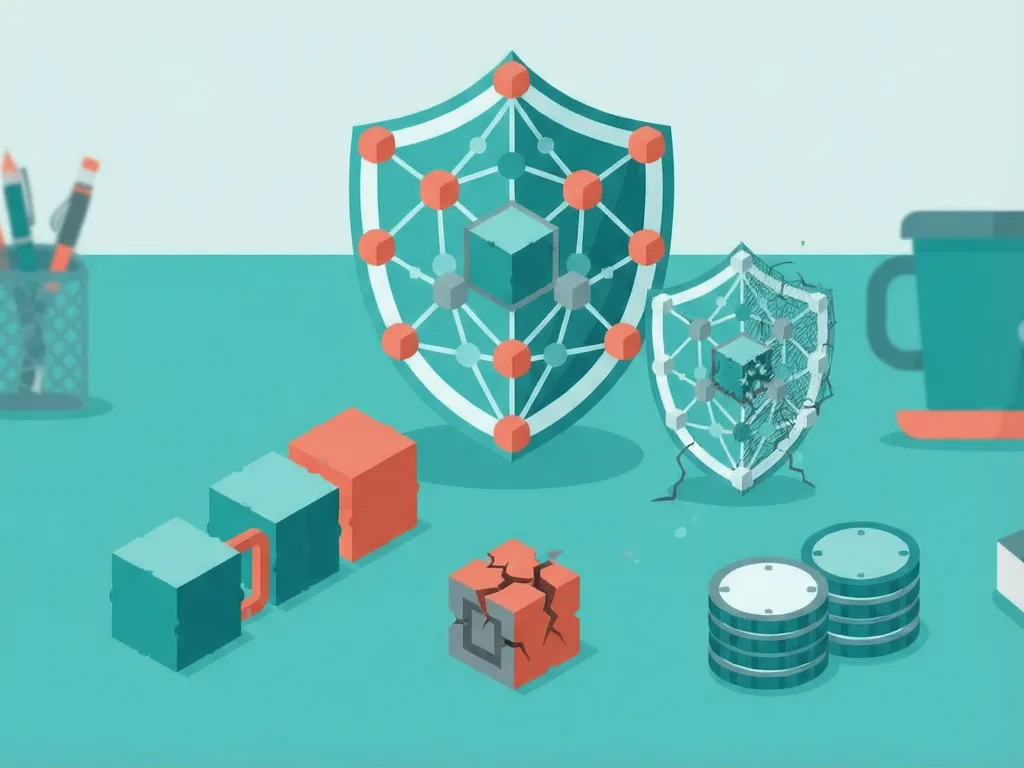
The International Organization of Securities Commissions has warned that upgrading blockchains to withstand quantum attacks could slow transactions and raise fees. The warning comes from a report released Thursday, which focused on a practical problem: digital signatures designed to resist quantum attacks can be much larger than the signatures used today to authorize transactions.
What is the warning about?
The report said some quantum-resistant digital signatures take up far more space than those used to authorize transactions today. Larger signatures mean fewer transactions can fit in each block. That can increase congestion, push up fees and require more storage.
The organization cited an experiment in which a test version of Solana ran about 90% slower with quantum-resistant signatures. The example is meant to show the trade-off between security and performance. A network may become stronger against a future threat, but it may also need more space, time and resources to process the same amount of activity.
Why do larger digital signatures matter?
A block is a batch of transactions. Each transaction needs a signature to prove it was authorized by the account owner or protocol participant. If those signatures become much larger, the block has less room for other data. Fewer transactions per block can make the network feel more congested, especially when demand is high.
For users, congestion often shows up as higher fees and slower confirmation times. For infrastructure operators, larger signatures also mean more storage requirements. The Solana experiment described in the report gave a concrete illustration: the test version ran about 90% slower when quantum-resistant signatures were used.
Is the quantum threat already here?
No. The report said no known quantum computer can break the cryptography that secures these networks today. That means the warning is not about an immediate collapse in security. It is about preparation.
The organization urged firms to start preparing now because the transition could take years. A change of this size touches the core of how a network authorizes transactions and how it reaches agreement on which blocks to add. It is not a simple software patch.
How could this affect different blockchain layers?
The report said layer-1 networks use cryptography both to authorize transactions and to reach agreement on which blocks to add. Layer-1 networks are the base blockchains, such as Bitcoin, Ethereum and Solana, where the main ledger is maintained.
The organization also warned that even after an upgrade, funds in dormant wallets and applications could remain vulnerable if they still rely on older keys. A dormant wallet is one that has not been used for a long time. If it continues to depend on older cryptographic keys, it may not automatically gain the protection that a network-wide upgrade provides.
Layer-2 networks are systems that process transactions on top of a base chain. The report said they can use quantum-resistant proofs to verify transactions and still depend on vulnerable systems to settle those transactions, move assets between chains or approve upgrades. In other words, a layer-2 network may improve its own verification while still relying on a base layer or cross-chain process that has not yet been fully quantum-resistant.
What have other voices said about the transition?
The debate is not limited to the International Organization of Securities Commissions. In April, Bitcoin advocate Samson Mow warned that larger post-quantum signatures could reduce Bitcoin's throughput and that rushed fixes might introduce new vulnerabilities.
In October, Starknet's community backed research into becoming an independent, quantum-resistant layer-1 network, following concerns over its reliance on Ethereum's security upgrade timeline. That shows one possible path: a network may choose to pursue a separate quantum-resistant design rather than wait for the base layer it relies on to complete its own upgrade.
Ethereum researcher Justin Drake has since outlined a 2028 post-quantum transition target, ahead of the network's existing 2029 roadmap. The timeline suggests that major networks are already discussing when, not whether, to make such changes.
A related item noted that AI poses a greater threat to Bitcoin than quantum computing, according to a statement from the Swan founder. The comparison does not remove the quantum issue, but it places the warning in a broader context of competing security and technology risks.
What does this mean for readers?
For readers who use blockchain networks, the key point is that quantum resistance may improve future security but can also change how networks perform. Transactions may become slower, fees may rise, and storage needs may increase, depending on the upgrade design.
The warning also points to a less visible risk: older keys. Funds in dormant wallets and applications could remain vulnerable if they still rely on older keys, even after a network upgrade. That makes the transition a long-term operational problem, not only a technical one.
There is no need for panic. The report says no known quantum computer can break the cryptography that secures these networks today. But because the transition could take years, firms and network developers need to start planning now. For readers, the practical takeaway is to follow how major networks upgrade, understand that some changes may affect speed and fees, and remember that this is informational background rather than investment advice.
Post-Quantum CryptographyQuantum-Resistant BlockchainBlockchain UpgradesDigital SignaturesSecurities Regulators
Related reading

Comments 0
Never post a seed phrase, private key or screenshot of your wallet in the comments.
- No comments yet.