
Is It Safe for Investors to Trade Memecoins?
Memecoin trading is speculative, not investing. Hype, volatility, scams, low liquidity, and emotional decisions can cause rapid losses.
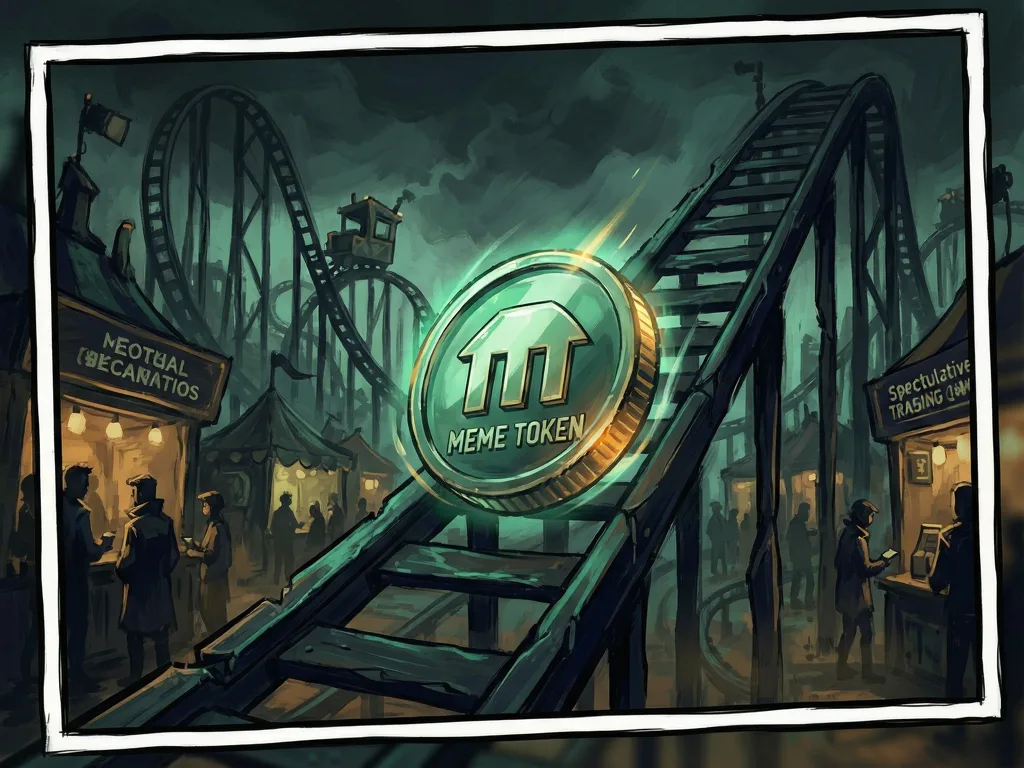
This Academy guide was published on Sep 25, 2026 and updated on Sep 25, 2026. It is written for readers who want to understand memecoin trading in plain language, including the risks, the difference from investing, and the practical checks that can reduce avoidable losses.
What Is Memecoin Trading?
A memecoin is a crypto token whose identity is tied to internet culture, community attention, memes, or social trends. Trading a memecoin means buying and selling that token in the hope of profiting from its price changing.
Many memecoins are recent launches. They may have thin liquidity, ownership concentrated in a small group, or little public history. Since token creation is relatively easy on many blockchains, a memecoin can be a genuine community experiment, a short-lived hype object, or a fraudulent or malicious token.
Why Do Memecoin Prices Move So Quickly?
Memecoin prices often respond to market sentiment, speculation, and online activity more than to business results. That makes them sensitive to attention. If a community, influencer, or social trend pushes interest higher, the price may rise fast. If attention fades, the price may fall just as fast.
Because these tokens can have limited liquidity, even modest buy or sell orders can move the market. A token can swing more than 50% in a few hours without warning. That kind of move can create large gains or large losses very quickly.
What Are the Main Risks of Memecoin Trading?
There is no version of memecoin trading that comes with zero risk. The main risks are structural and can be seen before a trade is made.
Extreme volatility is the most visible risk. Prices can rise or fall rapidly, and a buyer can lose most or all of the money placed into a token.
Rug pulls and scams are another major risk. In a rug pull, a creator may drain liquidity or block sales, leaving buyers unable to exit at a reasonable price. Some tokens are also linked to malicious smart contracts.
Low liquidity is easy to underestimate. The price shown on a chart may not be the price a trader can actually sell at. If there are few buyers or sellers in the market, the trade may fail or execute at a much worse price.
Platform risk matters too. If funds are held by a custodial service, that service may freeze the account, pause withdrawals, or lose access to the assets.
Emotional trading is also a practical risk. Hype, urgency, and fear of missing out can pressure people into decisions they would not make if they had set clear limits in advance.
Is Memecoin Trading Profitable?
There is no reliable or guaranteed way to make money trading memecoins. Some traders have had large gains, but many more lose money. Past performance of a token does not explain what the token will do next.
Memecoins generally do not have earnings or intrinsic value to support the price. Their value depends on demand, and demand can vanish quickly. For this reason, any money used in memecoins should be treated as money the buyer is prepared to lose entirely.
How Is Memecoin Trading Different From Investing?
Traditional investing often focuses on fundamentals, expected cash flows, utility, or long-term growth prospects. That process may involve analyzing a business, asset, or income stream over a longer period.
Memecoin trading is usually more speculative. Its price movements are often driven by market sentiment, community activity, liquidity, and momentum. Because of that difference, the time horizon, research process, and risk profile can be very different from investing in assets with established fundamentals.
For a reader, the practical distinction is simple: investing is often about understanding underlying value over time, while memecoin trading is often about timing attention and liquidity in a market where value can disappear quickly.
What Can Readers Check Before Trading a Memecoin?
A reader cannot make memecoin trading risk-free, but can avoid some preventable problems by doing checks first.
Research the token on-chain before buying. On-chain data is public blockchain activity. Useful checks include whether liquidity is locked, how tokens are distributed among holders, and whether the contract has mint, freeze, or honeypot flags. Where possible, look for deeper, locked liquidity rather than shallow pools.
Use a self-custody wallet. Self-custody means the user controls the wallet and private keys instead of leaving the assets with a centralized exchange or another custodial platform. This can reduce platform-related risks, but it also means the user is responsible for protecting the wallet and reviewing each transaction carefully.
Only use money you can afford to lose completely. Because the price can fall to near zero and liquidity can disappear, the financial risk should be limited to money that will not affect essential living costs, debts, or emergency savings.
Set limits before buying. Decide the entry and exit levels in advance and follow the plan. This helps reduce impulsive decisions when prices move quickly.
Ignore urgency. Phrases that pressure people to buy now or miss out are often manipulation tactics. A rushed decision is one of the common ways losses grow.
Never share the secret recovery phrase. Phishing can steal wallet access more quickly than a bad market move can cause losses. No legitimate buyer, support agent, or trading process needs a seed phrase or secret recovery phrase.
Does Self-Custody Make Memecoin Trading Safer?
Self-custody can reduce certain risks. It removes the need to rely on a centralized platform to hold or process withdrawals. If the user controls the private keys, the assets are not dependent on that platform for custody.
But self-custody does not make memecoin trading safe. It does not remove market risk, smart-contract risk, token scams, or transaction risk. A malicious token can still fail, a liquidity pool can still be drained, and a bad approval can still expose funds. The wallet gives control, but control also brings responsibility.
What Does This Mean for Readers?
The question is not only whether memecoin trading is safe. It is whether the reader can tolerate total loss, understand the mechanics, and resist the pressure to trade before research is done. For many readers, the most useful takeaway is to treat memecoins as high-risk speculation rather than as a stable way to save, grow, or invest money.
If a reader chooses to look into memecoins, the safest starting point is education and verification: understand the token, check the contract and liquidity, protect the wallet, and limit the amount at risk. If those checks feel difficult, confusing, or too slow to complete, that may be a signal that the trade is not suitable for that reader.
Disclaimer: This content is for informational purposes and is not investment, financial, or tax advice. Web3 and crypto come with risk. Please do your own research before interacting with any Web3 applications or crypto assets. View the terms of service.
memecoin tradingcrypto risksinvestor safetyvolatilityrug pulls
Related reading
Comments 0
Never post a seed phrase, private key or screenshot of your wallet in the comments.
- No comments yet.