
A guide to Robinhood Chain and the Layer 2 ecosystem built by Robinhood
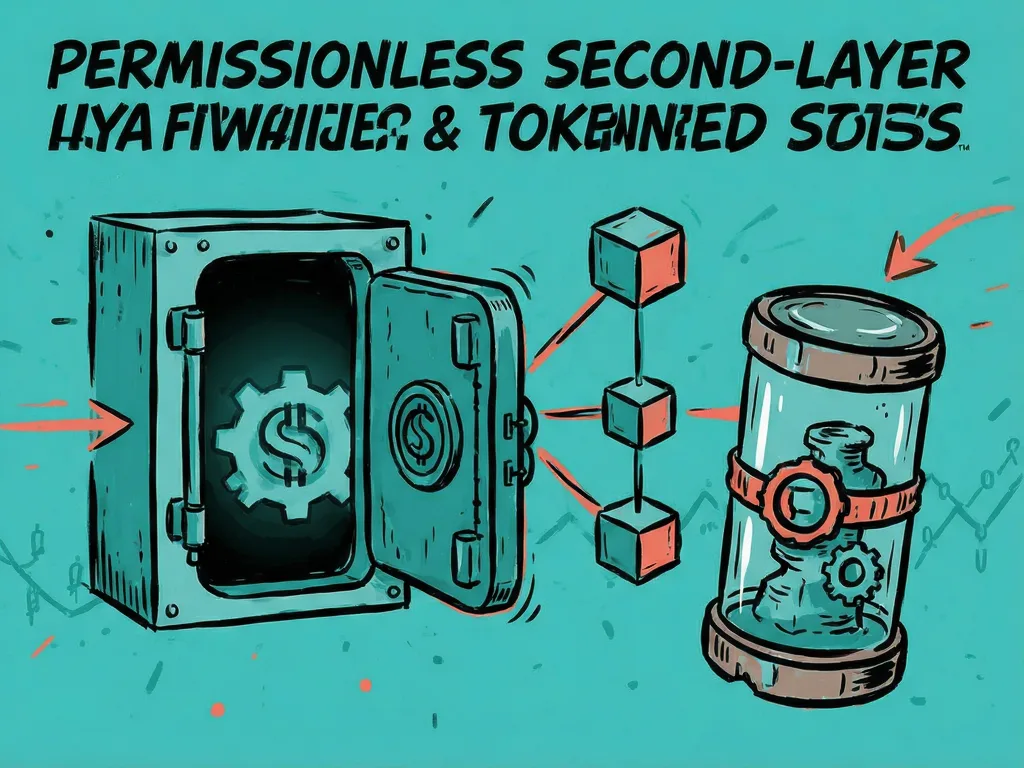
Robinhood Chain is a permissionless Ethereum Layer 2 network aiming to connect traditional finance, crypto, and tokenized stock exposure.
What Is Robinhood Chain?
For many people in modern financial markets, buying a stock is a familiar sequence: open an account, fund it, place an order. The harder question is what can be done after ownership is recorded. In that setup, the holding usually remains inside a brokerage account, on systems operated by financial institutions. Moving it to another place often means involving other institutions, and connecting it to another service requires technical integrations. Location can also limit access.
Crypto works differently. Digital assets can sit in a wallet controlled by the holder, move directly between people, and connect to applications built on a shared open network. Robinhood Chain, launched in July 2026, is positioned as a way to bring those two models closer together.
The chain is an Ethereum Layer 2 network built with Arbitrum technology. It is compatible with the Ethereum Virtual Machine, uses ETH to pay transaction fees, and is permissionless, meaning anyone can use it or build on it. It does not have a native token; fees are paid in ETH. It is not simply a copy of the Robinhood brokerage placed on a blockchain. The stated design goal is a separate open network where traditional financial exposure, crypto, and other real-world assets can appear in the same onchain ecosystem.
Why Did Robinhood Build a Blockchain?
Robinhood is not the first large financial or crypto company to create its own chain. Coinbase launched Base in 2023 with a comparable logic. Coinbase already had millions of users, significant assets on its platform, on-ramps from traditional money, wallets, and other infrastructure. Base gave developers an open network where they could build applications, while Coinbase could make it easier for its existing users and assets to enter that ecosystem.
Robinhood has a similar starting position: users, financial infrastructure, crypto services, wallets, and relationships with traditional markets. Robinhood Chain lets the company use those resources to help bootstrap an open blockchain ecosystem.
This creates a two-sided incentive. Developers are more likely to build where users and assets already exist. Users are more likely to join a network that already has applications, markets, and liquidity. As one side grows, the other side gets more reasons to participate.
Robinhood can benefit when activity rises. Trading, transfers, lending, borrowing, and interactions with applications generate transactions on Robinhood Chain. The company does not need to create every application or issue every asset itself. Developers can deploy compatible smart contracts using tools that are already common across Ethereum.
What Are Robinhood Stock Tokens?
The network's most distinctive feature is its link to traditional financial markets. Crypto networks already support stablecoins, lending markets, decentralized exchanges, meme coins, derivatives, and many other applications. Robinhood Chain can support those too, but Robinhood is also bringing tokenized exposure to stocks and ETFs through Robinhood Stock Tokens.
A Stock Token is not a share of stock. It is a tokenized debt security issued by Robinhood Assets (Jersey) Limited. The token is meant to provide economic exposure to an underlying stock or ETF. Robinhood says each token is backed by the corresponding underlying security held in custody. The tokens are issued in the standard Ethereum Request for Comment 20 token format, so they can be held in compatible self-custody wallets, transferred onchain, and used inside blockchain applications.
The legal distinction is important. A reader holding an Apple Stock Token does not legally own a share of Apple. They hold an onchain asset designed to track the economic performance of the underlying investment.
Robinhood makes Stock Tokens available to eligible users across more than 120 countries. Legal restrictions apply in jurisdictions including the United States. Those restrictions determine who may legally be offered, sold, or delivered Stock Tokens. They do not turn Robinhood Chain itself into a closed network. The tokens exist as assets under that standard on Robinhood Chain and are designed to be held, transferred, and used across compatible onchain applications.
Why Does Putting Stock Exposure Onchain Matter?
Traditional financial assets usually live inside closed systems. If a stock is held in a brokerage account, the brokerage records ownership and provides the infrastructure through which the holder interacts with the asset. The position cannot simply be sent to another person's wallet. A financial application cannot freely interact with it unless institutions, APIs, custodians, and integrations are already connected.
A standard blockchain token changes that architecture. A Stock Token can move directly between compatible wallets. Developers can build applications that trade it, accept it as collateral, lend against it, track it in a portfolio, or include it in other financial products. Because Robinhood Stock Tokens follow the Ethereum Request for Comment 20 token standard, developers can use tools already common in the Ethereum ecosystem.
This is not a claim that traditional finance cannot offer similar services. Stocks can already be used as collateral, traded through different venues, borrowed against, or folded into complex financial products. The difference is connection. Traditional financial infrastructure often depends on permissioned networks and institutional integrations. Blockchain offers a shared, open environment where compatible applications can interact with the same assets without every developer needing a new technical relationship with the issuer.
It also changes the user's relationship with the asset. Instead of an asset existing only inside an account controlled by a brokerage or another financial institution, an onchain asset can sit in a self-custody wallet. From there, it can be transferred peer to peer, and the holder can choose which compatible applications to use, without requiring a brokerage to facilitate every transaction. For people who support open finance, that permissionless model is the appeal: the holder controls the asset and decides where it moves and how it is used. Robinhood Chain applies that idea to financial exposure that has traditionally stayed behind brokerage walls.
Is Robinhood Chain Only About Stock Tokens?
Stock Tokens may be the biggest differentiator, but the network is not limited to them. Robinhood Chain is a general-purpose blockchain. Developers can create their own tokens, decentralized exchanges, lending protocols, trading markets, games, financial applications, and other smart-contract-based services. Those assets and applications do not need to be issued by Robinhood.
PONS and CASHCAT show the broader ecosystem. PONS is the token associated with Pons, a platform for launching and trading tokens on Robinhood Chain. Pons allows developers and communities to create tokens and immediately provide users with an onchain market where they can buy and sell directly from their wallets.
PONS is Pons' own ecosystem token. It is not required to launch or trade tokens on the platform. Its economics are tied to activity on Pons. The protocol currently uses 80% of the fees it earns to buy PONS on the market and burn those tokens, permanently reducing circulating supply.
CASHCAT comes from a different part of the ecosystem. It is a community-driven meme coin inspired by Cash Cat, an early internal name for Robinhood before the company became Robinhood. The token was launched independently and is not affiliated with Robinhood. Unlike Stock Tokens, CASHCAT is not backed by an underlying financial asset. Its value is driven primarily by market demand and community participation.
The contrast is useful. Stock Tokens bring traditional financial exposure onchain, while independent developers and communities can build new crypto-native assets and applications next to them. A token existing on Robinhood Chain does not automatically mean Robinhood created, backs, or endorses it. Robinhood provides the network, and the ecosystem can extend far beyond Robinhood's own products.
The network launched with integrations and infrastructure from companies and protocols including Uniswap, Chainlink, Alchemy, BitGo, and others. Robinhood has also introduced Robinhood Earn, a decentralized lending product, on top of the network. This matches a common pattern for blockchain ecosystems: the company behind the network provides infrastructure and helps attract users, assets, and developers, while independent builders create markets and applications. Over time, the network can become much larger than the products that first drew people to it.
What Does This Mean for Readers Today?
Robinhood Chain is still early, but it is a concrete example of traditional markets and open finance moving closer together. Robinhood is placing its financial infrastructure and tokenized real-world assets in an ecosystem where developers can build independently and users can interact with assets outside the boundaries of a traditional financial platform. The presence of crypto-native projects such as PONS and CASHCAT also shows that the network is developing an identity beyond Stock Tokens.
The source announcement also states that Edge wallet support has been launched for Robinhood Chain, beginning with PONS and CASHCAT. Through that support, holders can keep those assets in self-custody, send and receive them, and trade them directly in Edge. The announcement says Robinhood Stock Tokens are not currently supported there, with plans to add support for more Robinhood Chain assets as the ecosystem grows.
The larger question is whether open networks can expand access to financial assets and services beyond what closed platforms can offer. The answer may come from Stock Tokens, new DeFi applications, crypto-native assets, or products that have yet to be created. For now, Robinhood Chain is one place where those paths are being tested, and the ecosystem is only beginning to take shape.
This article is informational and does not constitute investment advice.
Robinhood ChainEthereum Layer 2Tokenized StocksStock TokensCrypto
Related reading
Comments 0
Never post a seed phrase, private key or screenshot of your wallet in the comments.
- No comments yet.