
This guide to crypto copy trading explains how it works, the risks involved, and what to look for.
Crypto copy trading automatically mirrors another trader's positions, adjusting sizes to the follower's allocated capital. It can reduce daily decision-making, but losses, leverage, platform issues, and over-concentration can still affect the account. Past performance does not guarantee future results, so readers should examine full history, drawdowns, risk profile, trading approach, and platform controls before allocating funds. The key question is not only who has the best return, but what risks that return required and whether those risks are tolerable.

The Academy guide on Crypto Copy Trading was published and updated on Sep 25, 2026, the date also written as September 25, 2026. It explains a feature that lets an account follow another trader automatically. If the chosen trader opens, changes, or closes a position, the platform attempts to reproduce that action in the follower’s account, usually scaled to the capital the follower allocates.
For a reader who wants exposure to a strategy without making every trading decision, this can reduce the daily decision load. The trade-off is straightforward: losing trades are mirrored along with winning trades. A trader’s past results do not guarantee future outcomes, so the checks a beginner performs before copying may matter more than any headline return.
What Is Crypto Copy Trading?
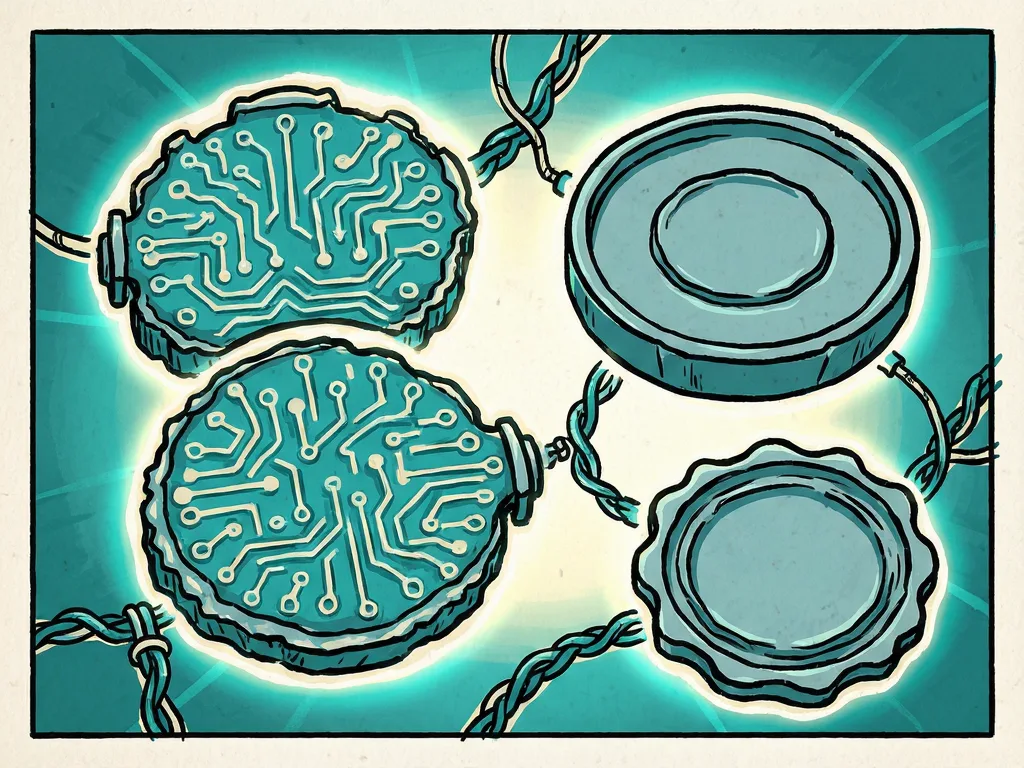
Crypto copy trading is automated mirroring of another trader’s positions. The selected trader makes the trading decisions, while the follower’s account is intended to repeat those decisions at a size matched to the allocated capital. Because copied positions are generally adjusted to your available allocation, you usually do not need the same account balance as the trader you follow.
The normal sequence has five stages:
- First, choose a trader or strategy. Review the trader’s full performance history, risk profile, drawdown, and trading approach.
- Second, allocate funds. Decide how much capital you want to dedicate to copy trading.
- Third, connect your account. Depending on the platform, this may mean linking an exchange or trading account to the copy trading service.
- Fourth, let trades copy automatically. The trader’s positions are replicated in your account, with position sizes adjusted to your available allocation.
- Fifth, stop or adjust when needed. You can typically change your allocation or stop copying a trader, subject to the platform’s rules.
Why Does It Matter to Readers Who Are Not Active Traders?
The convenience is real. A beginner who wants participation in a trading strategy may prefer not to choose every entry, exit, and adjustment. Copy trading outsources those decisions to someone else.
The cost is also real. The same convenience can hide what the strategy required. A trader’s largest gains may receive most of the attention, while losing streaks, high leverage, or platform problems receive less. Market conditions also change. A method that worked in one environment may stop working when volatility, liquidity, or sentiment shifts.
The question for a reader is not only “who has the best return?” It is “what kind of risk did that return require, and can I tolerate that risk?”
Which Risks Can Turn Small Trades Into Real Losses?
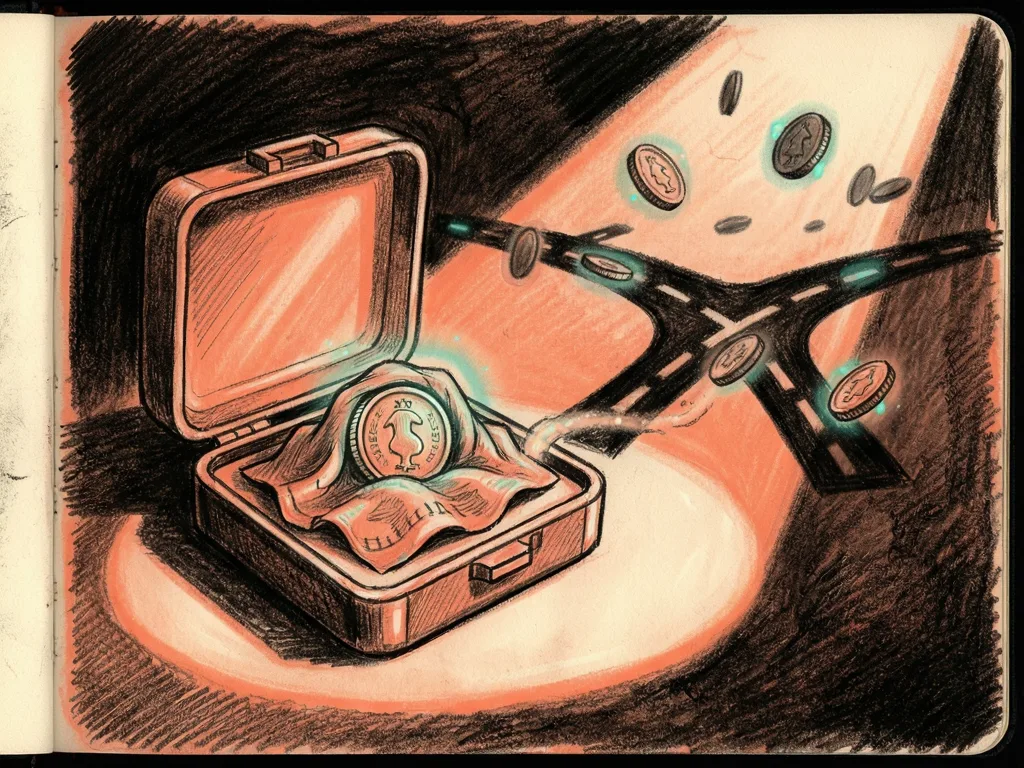
Inherited losses come first. Losing trades are mirrored along with winning trades. A handful of large gains can conceal a pattern of steady losses, so a headline return may not show how the account behaves during bad stretches.
Leverage comes second. The followed trader may use borrowed exposure that pushes positions beyond what you would accept. If the trader uses leverage, a move that seems modest for the trader can become severe for your account because your tolerance, not the trader’s, is what matters at home.
Platform risk comes third. A custodial platform can freeze access to funds or lose them. When a third party holds or controls access to your crypto assets, your exposure is not only market risk. It also includes the platform’s operations, controls, and counterparty relationships.
Over-allocation comes fourth. Putting too much capital behind one trader concentrates the risk. If that trader makes a mistake, changes strategy, or becomes unavailable, the damage is not spread across multiple approaches.
What Should You Check Before Copying a Trader?
A highest-return figure should not be the only screen. Examine the full record over a period long enough to be meaningful. A small number of unusually successful positions is not enough to prove consistency.
Useful checks include:
- Realized returns: separate paper gains from profits or losses that have actually been closed out.
- Maximum drawdown: identify the deepest peak-to-trough decline the trader has experienced.
- Win rate: count profitable outcomes over enough trades, not a handful of standout wins.
- Trading history: ask whether the record includes many positions or a few lucky trades.
- Leverage: check whether the trader regularly uses borrowed exposure and whether that risk fits your own limits.
- Consistency: see whether results appear across different market environments.
- Risk-adjusted performance: compare returns with the amount of risk needed to produce them.
Treat unusually high advertised returns with extra caution when the trading history is limited. A large historical return alone does not establish that the strategy is suitable for your risk tolerance.
How Do Custodial and Self-Custody Options Change the Risk Picture?
Many copy trading services operate through custodial platforms, where a third party holds or controls access to your crypto assets. This can introduce additional platform and counterparty risk.
With self-custody, you maintain control of your assets and private keys. This can remove some third-party custody risk, although it also means you are responsible for securing your wallet and approving transactions safely.
Self-custody does not eliminate market, smart-contract, or transaction risks. It simply changes who controls access to the assets.
What Does the September 25, 2026 Guide Mean for Your Own Account?
The September 25, 2026 Academy guide frames Crypto Copy Trading as a tool, not a shortcut. It can help readers follow a strategy automatically, but it also transfers decision-making risk to someone else while leaving the financial consequences in your account. Before allocating funds, focus less on the trader’s headline returns and more on drawdown, trade count, leverage, consistency, and how the platform holds or controls assets.
This content is for informational purposes and is not investment, financial, or tax advice. Web3 and crypto come with risk. Readers should do their own research before interacting with any Web3 applications or crypto assets.
crypto copy tradingautomated tradingtrading risksrisk managementbeginner guide
Related reading

Comments 0
Never post a seed phrase, private key or screenshot of your wallet in the comments.
- No comments yet.