
Can Copy Trading Be Both Safe and Profitable?
Copy trading mirrors another trader's wins and losses. Check drawdowns, leverage, fees, and history; allocate only affordable capital and diversify.

Copy trading is often presented as a way to get exposure to a trading strategy without doing the research and execution yourself. The Academy guide titled "Is Copy Trading Safe & Profitable?" was published on September 25, 2026 and updated on September 25, 2026. It states a simple starting point: copy trading is not risk-free, and it does not guarantee a profit.
For readers, the useful question is not only whether a trader made money. It is what happens to your account when that trader makes a mistake, uses leverage, changes strategy, or operates on a platform that controls your assets.
What Is Copy Trading?
Copy trading lets an account automatically mirror another trader's positions. When the trader opens, changes, or closes a trade, the same action is replicated in the follower's account, typically adjusted to the allocated capital.
This can be attractive to people who want exposure to a strategy without researching and executing every trade themselves. But the follower's result is linked to the strategy and risk decisions of the trader being copied. Past results do not guarantee future results.
Why Copy Trading Adds Risks Beyond Market Moves
There is no risk-free way to trade crypto. Copy trading adds a second layer because you are following another person's decisions. The main risks are:
| Risk | What it means | How to reduce it |
|---|---|---|
| Inherited losses | You copy the trader's bad trades, not just the good ones | Review full history, including drawdowns |
| Misleading track record | A few big wins can hide consistent losses | Look at win rate, drawdown, and time span together |
| Leverage exposure | The trader may use leverage that amplifies losses | Check the strategy's leverage before copying |
| Platform risk | A custodial platform could freeze or lose funds | Prefer self-custody where possible |
| Over-allocation | Putting too much behind one trader concentrates risk | Allocate small; diversify across strategies |
A drawdown is a decline from a previous high to a later low. A large drawdown can signal that a strategy can lose a meaningful amount before it recovers, if it recovers at all. Leverage can make small price moves create larger gains or larger losses.
Is Copy Trading Profitable?
Copy trading can generate profits, but there is no guarantee that it will be profitable. Even traders with strong historical results can experience losing trades and periods of poor performance. A high historical return may also involve substantial drawdowns or leverage.
When evaluating a copy trading strategy, look beyond the headline return. Consider its maximum drawdown, win rate, number of trades, trading history, leverage, fees, and performance across different market conditions. Fees matter because trading fees and performance fees can reduce the return that reaches your account.
Only allocate money you can afford to lose.
How Should You Choose a Trader to Copy?
Choosing a trader based only on recent returns can give an incomplete picture. A more useful review examines performance over a meaningful period and across a substantial number of trades.
Look at:
- Trading history: how long the trader has been active.
- Realized returns: whether reported gains are actually realized.
- Maximum drawdown: what the largest peak-to-trough decline was.
- Win rate: how consistently trades have been profitable.
- Trading frequency: how often the trader opens and closes positions.
- Leverage: whether the strategy uses leverage, and at what level.
- Fees: how much trading and performance fees could reduce returns.
- Consistency: whether the strategy relies on a small number of unusually profitable trades.
Be cautious of unusually high returns accompanied by limited trading history. Headline performance alone is not enough to assess a strategy's risk.
How Can You Copy Trade More Safely?
No approach can eliminate trading risk, but you can manage exposure.
- Review the trader's full history, including drawdowns and losing streaks, not just headline returns.
- Start with a small allocation and diversify across more than one strategy.
- Understand whether the strategy uses leverage before you copy it.
- Keep custody of your assets where the platform allows it.
- Treat copy trading capital as money you can afford to lose.
- Never share your secret recovery phrase or private keys.
This site is independent informational content, not a wallet provider. It does not ask for seed phrases and does not provide investment advice.
Does Custodial or Self-Custody Matter for Copy Trading?
The way assets are held can introduce another layer of risk.
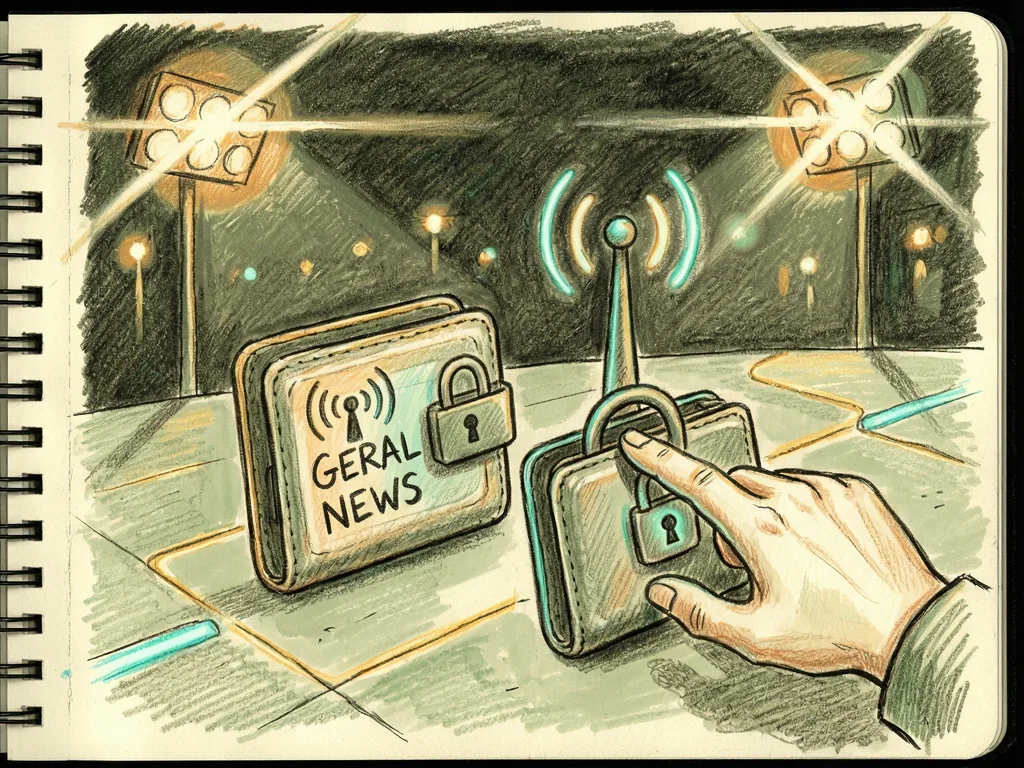
With custodial copy trading, a third party holds or controls access to your assets while you follow a trader. That means you are exposed not only to market and trading risks but also to risks associated with the platform.
Self-custody means you control your wallet and private keys. This can remove third-party custody risk, but it also makes you responsible for protecting your keys, reviewing transactions, and interacting safely with Web3 applications.
Self-custody does not eliminate market losses, smart-contract risks, or transaction fees. It changes who controls access to your assets.
What This Means for a Reader
Copy trading can make a strategy easier to follow, but it does not turn another trader's risk into your risk-free return. The practical value comes from checking the details: how long the history is, whether gains are realized, how large the drawdowns were, whether leverage is used, what fees apply, and who holds your assets.
A strategy with a large headline return may still be difficult to evaluate if the sample is short, the trades are few, or the losses are not visible. A strategy with visible losing periods, clear leverage use, and a longer history may be easier to understand, but it is still not guaranteed to perform well in the future.
If you use copy trading, treat it as an active research and risk-management task, not a passive shortcut.
Disclaimer: Content is for informational purposes and not investment, financial, or tax advice. Web3 and crypto come with risk. Please do your own research with respect to interacting with any Web3 applications or crypto assets. View our terms of service.
Copy Tradingtrading riskprofitabilitycrypto tradingtrader selection
Related reading

Comments 0
Never post a seed phrase, private key or screenshot of your wallet in the comments.
- No comments yet.