
Coins.ph Suspends Transfers to Self-Custody Wallets
Coins.ph halted self-custody wallet transfers on Nov 19 under Philippines central bank Travel Rule, restricting crypto moves to regulated exchanges.

Coins ph Halts Transfers to Self-Custody Wallets on November 19
What Changed on November 19?
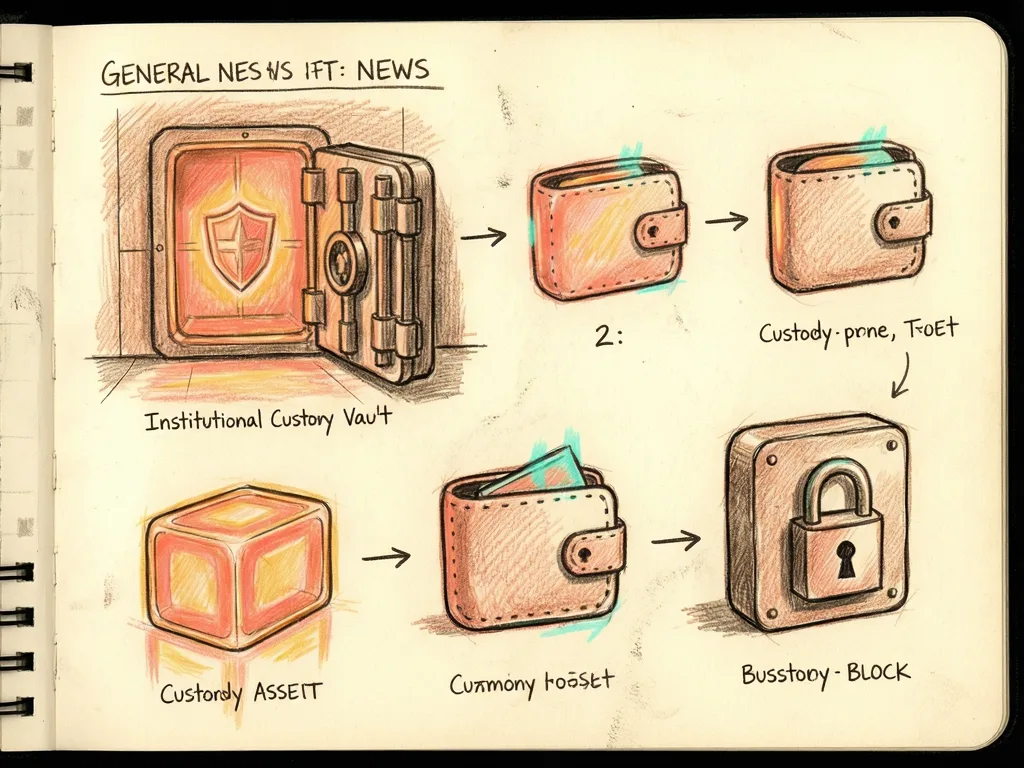
Coins ph, the largest cryptocurrency exchange in the Philippines, stopped supporting transfers to and from self-custody wallets on November 19. The new limit means users can transfer assets only between regulated exchanges.
For a reader, the change is best understood as a narrowing of transfer routes. Before the decision, a user could send assets from Coins ph to a self-custody wallet, or receive assets into Coins ph from such a wallet. Now, those direct transfers are no longer supported.
Why Did Coins ph Stop Supporting Self-Custody Wallet Transfers?
The decision follows regulatory mandates from the Bangko Sentral ng Pilipinas. The Bangko Sentral ng Pilipinas oversees financial regulations in the Philippines and requires detailed transaction information for cryptocurrency transfers, ensuring that cryptocurrency transactions adhere to national financial security protocols.
The relevant requirement is the Travel Rule under the Bangko Sentral ng Pilipinas. It requires all external transfers to include information such as counterparty details and transaction purposes, regardless of the amount. In plain language, exchanges must attach more information about who is involved in a transfer and why the transfer is being made, even when the amount is small.
Coins ph is the Philippines’ largest cryptocurrency exchange and services a significant portion of the country’s cryptocurrency trading volume. That scale makes the policy change more than a platform update: it shows how a compliance requirement can reshape the way users move assets on the largest exchange in the country.
Why Does This Matter for Users?
The change points to a stricter compliance environment for cryptocurrency exchanges in the Philippines. The requirement is aimed at enhancing transparency and compliance, while the government seeks to balance innovation with regulatory compliance in the growing cryptocurrency landscape.
For users, the practical question is where assets can move. Because self-custody wallets are not regulated exchanges, stopping transfers to and from them limits how users can move assets. Users who previously moved assets between an exchange account and a self-custody wallet now have to rely on transfers between regulated exchanges.
This shift could reshape user interactions with self-custody solutions as compliance measures tighten. When transfers are permitted only between regulated exchanges, the exchange becomes a more central point for moving assets. That can make compliance easier to enforce, but it also means users need to pay closer attention to the transfer rules of the exchanges they use.
What Might Happen Next?
Traders and observers will watch how the change affects user activity on Coins ph and other exchanges. With detailed transaction information required for external transfers, there may be a slowdown in transfers, particularly for users who previously used self-custody wallets.
Another possible effect is broader market adaptation. Observers are interested in whether regulators will apply more scrutiny, and whether other exchanges will adjust their policies in response. The broader market remains mixed, with traders observing how regulations may influence user behavior and altcoin dynamics moving forward.
For readers, the key facts are simple: Coins ph halted transfers to and from self-custody wallets on November 19, the Bangko Sentral ng Pilipinas requires transaction information such as counterparty details and purposes for external transfers regardless of amount, and users are now limited to transfers between regulated exchanges.
Crypto TransfersCoins.phSelf-Custody WalletsPhilippines Central BankRegulated Exchanges
Related reading
Comments 0
Never post a seed phrase, private key or screenshot of your wallet in the comments.
- No comments yet.