
Hashi enables Bitcoin users to mint hBTC as a new lending tool.
Sui's Hashi lets Bitcoin holders mint hBTC 1:1 for DeFi lending, borrowing, and vaults, but adoption, liquidity, and smart contract risks remain.
What Happened?
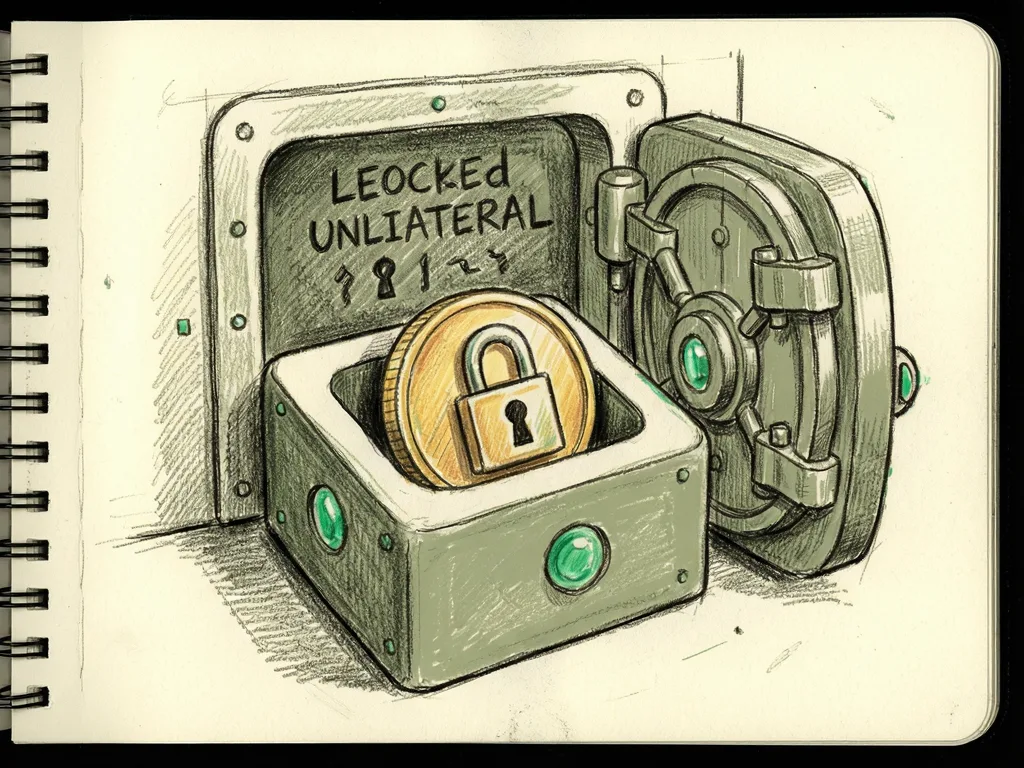
Sui has launched Hashi, a system that lets Bitcoin holders create hBTC, a token aimed at decentralized finance applications. A recent tweet describing the product says users can deposit Bitcoin into Hashi’s pool, where validators confirm the transaction and mint hBTC at a 1:1 ratio. The stated purpose is to give Bitcoin holders a way to participate in decentralized finance services, including borrowing, lending, and vault access.
How Hashi Connects Bitcoin to Decentralized Finance
Hashi acts as a bridge between Bitcoin and decentralized finance. The core flow is deposit-based: a user sends Bitcoin to Hashi’s pool, validators confirm the activity, and hBTC is minted so that the token matches the deposited Bitcoin at a 1:1 ratio. The launch details focus on the creation of hBTC and the fixed numerical relationship between the deposited Bitcoin and the issued token.
Because hBTC is designed for decentralized finance, it can be used inside applications that work with tokens and smart contracts. The bridge idea is simple: Bitcoin enters the pool, and a token with a 1:1 relationship to that Bitcoin is issued for use in decentralized finance services.
Why This May Matter to Bitcoin Holders
For Bitcoin holders, Hashi offers a new path to decentralized finance. Instead of keeping Bitcoin outside application activity, they can mint hBTC and use it in borrowing, lending, and vault-related functions. The platform opens avenues for capital efficiency and utility, since Bitcoin can be represented by a token that is built to move through decentralized finance services.
The announcement arrives while the broader crypto market reflects mixed signals. Innovations like Hashi could boost interest and activity among Bitcoin holders. The system is described as capable of reshaping the Bitcoin landscape by making decentralized finance access easier for Bitcoin holders. Because demand for Bitcoin within decentralized finance is growing, a bridge that creates hBTC at a 1:1 ratio may attract new participants.
What Traders and Market Participants Are Watching
Traders scanning order books were surprised by the unveiling, and attention now shifts to adoption and liquidity. Participants will watch how quickly users begin depositing Bitcoin and minting hBTC. Adoption is important because a bridge only matters if the minted token is used in decentralized finance applications. If hBTC sees steady use, it may affect Bitcoin’s liquidity and broader trading dynamics.
Market participants will also watch how Hashi compares with competitors that are trying to integrate Bitcoin into their protocols. The source says the introduction could position Hashi favorably in that competitive area. Strong adoption could make the platform more visible, while weak adoption would suggest that the new minting path did not attract enough users.
What Risks Could Shape User Confidence?
The source identifies two broad risks: smart contracts and liquidity. Smart contract risk can affect any system that uses on-chain rules to confirm transactions and issue tokens. If users do not trust the contracts or the validator process, they may avoid minting hBTC even when the basic mechanism is simple. Liquidity risk is also important because decentralized finance applications need sufficient depth to support borrowing, lending, and vault functions. These risks could play a crucial role in shaping user confidence and engagement with the platform.
The risks do not change the launch facts: Sui has introduced Hashi, Bitcoin users can deposit Bitcoin into its pool, validators confirm transactions, and hBTC is minted at a 1:1 ratio. They do shape whether the platform becomes a widely used bridge.
Why This Is Relevant to Readers
Readers who follow Bitcoin and decentralized finance may see Hashi as a new example of how Bitcoin can be represented by a token for application use. Readers who do not use decentralized finance may still care because the announcement touches on how major assets can be adapted for on-chain services. The key detail to remember is the mechanism described in the tweet: deposit Bitcoin, validators confirm, mint hBTC at a 1:1 ratio, then use hBTC in borrowing, lending, and vault access.
The original post appeared first on Coinfomania.
HashiSuihBTCCrypto LendingBitcoin DeFi
Related reading


Comments 0
Never post a seed phrase, private key or screenshot of your wallet in the comments.
- No comments yet.