
Block Says Coffee and Food Account for Most Bitcoin Payments Made Through Square
Block says food and drink made 72% of Square Bitcoin payments, mostly small coffee purchases, amid debate over crypto tax relief for routine spending.
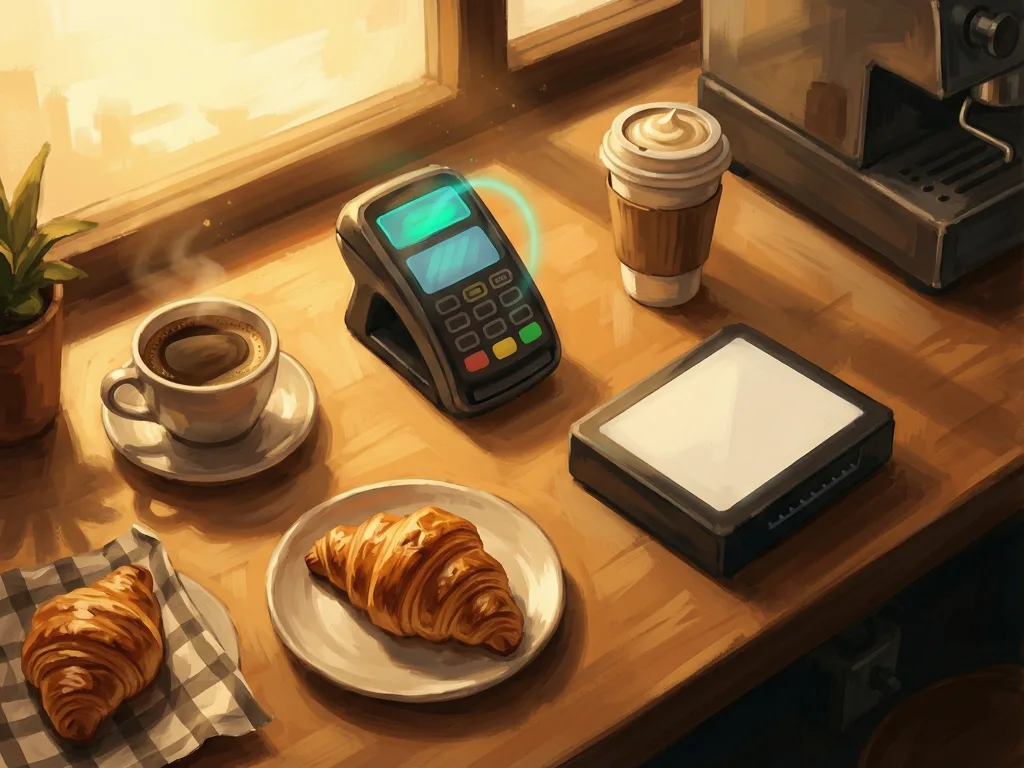
Block Reports That 72% of Bitcoin Payments at Square Sellers in the United States Were for Food and Drink
Block said most bitcoin payments completed by Square sellers in the United States were small, everyday purchases at coffee shops and restaurants. The company presented the data in a report titled “The State of Bitcoin Payments,” which covers completed bitcoin payments at Square sellers in the United States from November 1, 2025, to October 15, 2026. Block said the report is intended to inform a debate in Congress over a tax break for small crypto purchases.
What the report measured, and what it left out
The report describes the median bitcoin payment at Square sellers as about $13 and the average as about $29. Food and drink businesses took 72% of those payments, Block found. That share was larger than the 67.5% share that food and drink businesses held in regular card payments on Square over the same period.
Block wrote on X on Thursday that “most bitcoin payments are small and routine,” and it described the report as one of the first datasets showing how people spend bitcoin in the local economy.
The company also said the report does not give totals. Block said the number of Square bitcoin payments, the number of sellers receiving them, and total bitcoin payment volume are proprietary and not disclosed. For scale, it pointed to merchant lists such as the 425 Los Angeles businesses that accept bitcoin, which it said offer a rough sense of reach.
Why coffee and small tickets dominate the transaction count
Within the food and drink category, coffee shops and fast food businesses accounted for 62.6% of bitcoin payments, with a median payment of $9.10. Grocery stores made up a smaller share of payments in the group, but they had the highest average payment at $60.73.
Small amounts were common. About 42% of bitcoin payments on Square were under $10, and 65.1% were under $20. Those payments under $20 accounted for only 19.1% of total payment value. The report indicates that a few larger purchases carried much of the dollars spent, even though most individual transactions were small.
Repeat use appeared in part of the data. Among Cash App users who paid with bitcoin at least twice at the same merchant, the median was three purchases per customer-merchant pair. About 44% of bitcoin payments from Cash App were repeat payments, and 86% of those repeat payments came within 30 days.
How much of the activity came from wallets outside Cash App
The report said the activity was not limited to Block’s own app. External Lightning wallets such as Strike, Wallet of Satoshi, Phoenix and Coinbase handled 56.6% of Square bitcoin payments and about 66% of payment value. Cash App wallets made up the rest.
Square sellers can choose how much of each sale they keep in bitcoin, and Square converts the rest to dollars automatically. Block said zero-fee processing for bitcoin payments on Square has been extended through December 31, 2027.
The company also noted that local governments are testing similar setups. Miami-Dade County is now taking bitcoin for property taxes and converting it to dollars.
Why Block connected the payment data to tax policy
Block tied the report to the tax treatment of bitcoin spending. Under current United States federal rules, paying with bitcoin generally means calculating a capital gain or loss on every purchase, even a $10 coffee, the company said.
A Morning Consult survey that Block commissioned found that 23.6% of businesses that do not accept bitcoin cite tax and accounting complexity as a reason. That figure was about the same as the share that cite regulation, refunds, or price swings. Among businesses that have considered taking bitcoin but have not, the figure was 27%.
Consumers also reported friction. Morning Consult surveyed 8,669 adults in the United States who are aware of bitcoin in August. Among those who do not own bitcoin, 29.6% said they would be more likely to pay with bitcoin if it were easier. In that group, 15.7% said they were unsure how bitcoin is taxed or regulated.
Block said Congress is weighing a crypto tax package and pointed to a de minimis exemption as one option. Such an exemption would exempt small gains on qualifying purchases. The company said industry groups have pressed lawmakers on crypto tax rules for months, with little movement so far.
“We think tax policy should account for how people spend bitcoin as well as how they hold it,” Block said.
What readers can take from the data
The report’s main descriptive point is transaction mix: many bitcoin payments on Square were small and food-related, while the dollar value was concentrated in fewer, larger purchases. That pattern matters because small purchases can create administrative work under the current tax framework without representing a large share of payment value.
The report also shows why Block is framing the data around policy. It uses its own Square payment data, plus commissioned survey results, to argue that tax rules should consider spending behavior, not only holding behavior. Because Block did not disclose total payment counts, seller counts, or total payment volume, the report describes a subset of bitcoin transactions rather than the full bitcoin payment market.
The source post first appeared on Bitcoin Magazine and was written by Micah Zimmerman.
BitcoinSquarePaymentsCrypto TaxLightning Network
Related reading
Comments 0
Never post a seed phrase, private key or screenshot of your wallet in the comments.
- No comments yet.