
This simple guide explains what tokenized Pokémon cards are.
Tokenized Pokémon cards are graded physical cards stored in vaults and represented as blockchain NFTs, with on-chain pack openings and risks.
A guide updated Nov 19, 2026.
Tokenized Pokémon cards are physical Pokémon cards that have been graded, placed in a secure vault, and linked to a token on a blockchain. Whoever holds that token in their wallet owns that specific card. The holder can keep it, send it to another wallet, or sell it quickly without shipping the physical card.
What Does It Mean for a Pokémon Card to Be Tokenized?
The basic idea is simple: the card stays physical, but ownership moves on-chain.
First, a real card is graded. A grading company such as Professional Sports Authenticator, Beckett Grading Services or Certified Guaranty Company scores the card's condition and seals it in a case.
Second, the card goes into a vault. A custodian stores the card securely.
Third, a token is minted. The token represents that exact card, with its name, grade and rarity in the metadata.
Fourth, the token lives in the owner's wallet. The owner can hold it, transfer it, or sell it like any other on-chain collectible.
Are Tokenized Pokémon Cards Non-Fungible Tokens?
Yes, but with an important difference. Each tokenized Pokémon card is a non-fungible token, but it is backed by a real card in a vault, not just a digital image. That makes it a phygital asset, closer to a real-world asset than to a typical non-fungible token collection.
The difference is practical. A tokenized Pokémon card can show a real card held in a vault, prove ownership on-chain, and allow transfer in seconds without shipping. A typical non-fungible token may represent a digital image, and its ownership is recorded on-chain, but it may not have a physical counterpart. A physical card kept at home is backed by a receipt or no formal proof if lost or sold informally.
Why Are On-Chain Pokémon Packs Growing?
Opening packs on-chain has become one of the fastest-growing uses of digital collectibles, according to the guide.
It says more than $10,000,000 was spent on on-chain Pokémon packs in the first week of one major launch in 2026, with more than 75,000 packs opened, according to BITKRAFT, citing Dune data.
Monthly pack spending on one leading platform reached about $24,000,000 in August 2026, net of buybacks, according to BITKRAFT.
Most of this activity happens on Solana, where transactions are fast and cheap. That matters for readers because frequent pack openings, transfers, and purchases can be more practical when network costs are low.
How Do Digital Pokémon Packs Work?
Instead of buying a sealed physical pack, a buyer buys a digital pack. Opening it reveals one card from a pool, and the card arrives in the buyer's wallet as a token.
Good platforms show pull rates, odds, and expected value before a purchase. These details help a buyer understand what a pack may contain and how likely each outcome is. Pull rates describe the chance of receiving different cards. Odds give the probability. Expected value estimates the average value a buyer may receive, based on possible cards.
How Can Readers Open Pokémon Packs in Trust Wallet?
The guide describes the process for readers using Trust Wallet.
Readers open Trust Wallet and tap Collectibles on the Home screen.
They choose a pack and check its price, odds, expected value, and possible cards.
They pay in USDC on Solana.
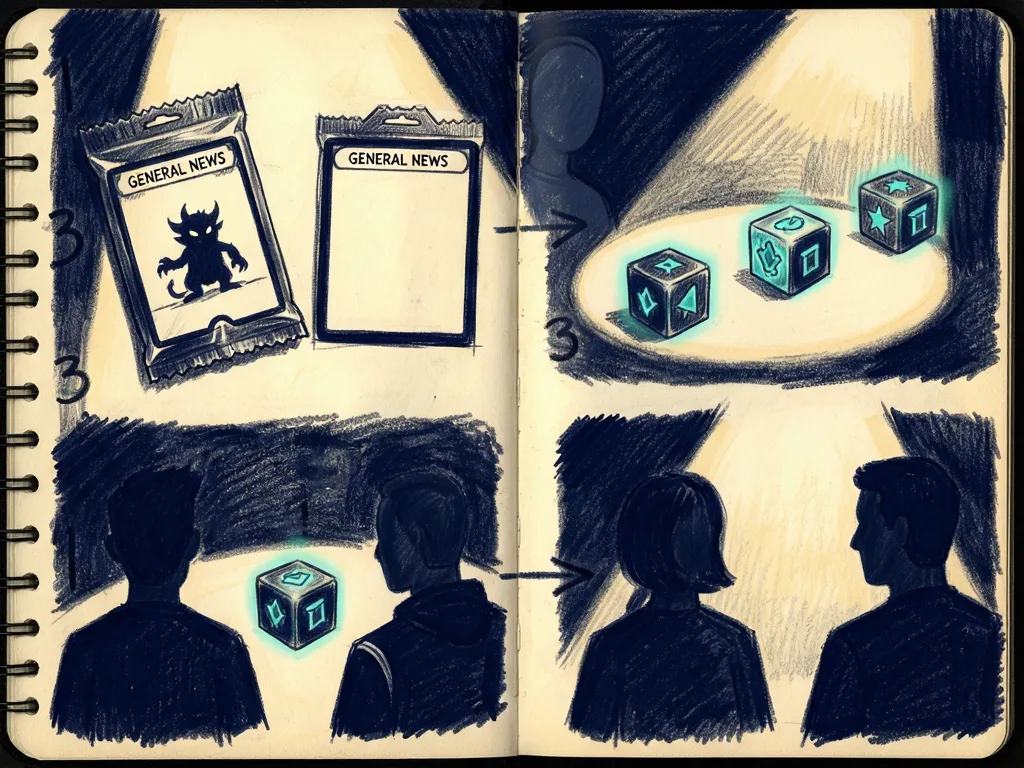
They tap the pack three times to reveal the card. Unopened packs open automatically after 2 hours.
They find the card under My cards. They can keep it in the wallet or resell it instantly within 72 hours.
What Risks Should Readers Know?
The guide lists four risks.
Random outcome: each pack is random, and the card received can be worth less than the pack price.
Market prices change: card values go up and down with collector demand.
Custodian trust: the physical card is held by a third party, so the custodian's reliability matters.
Availability: pack opening is not available in every region.
What Do Common Questions Reveal About Tokenized Pokémon Cards?
Are tokenized Pokémon cards real? Yes. Each token represents a real, physical graded card held in a vault.
Are tokenized Pokémon cards non-fungible tokens? Yes. They are non-fungible tokens backed by physical cards, which makes them phygital assets.
Which blockchain are tokenized Pokémon cards on? Most are on Solana, including the cards readers can open in Trust Wallet.
Where can readers open Pokémon packs online? In Trust Wallet, readers can open Pokémon card packs and receive the card in their wallet.
Is Trust Wallet affiliated with The Pokémon Company? No. Pokémon is a trademark of Nintendo, Creatures Inc. and GAME FREAK inc. Trust Wallet is not affiliated with, sponsored by or endorsed by them or The Pokémon Company.
This guide is for educational purposes only and is not financial advice. The card received from a pack is random, and its value can be lower than the price of the pack. Availability varies by region.
Trust Walletblockchaintokenized Pokémon cardsNFTPokémon packs
Related reading

Comments 0
Never post a seed phrase, private key or screenshot of your wallet in the comments.
- No comments yet.